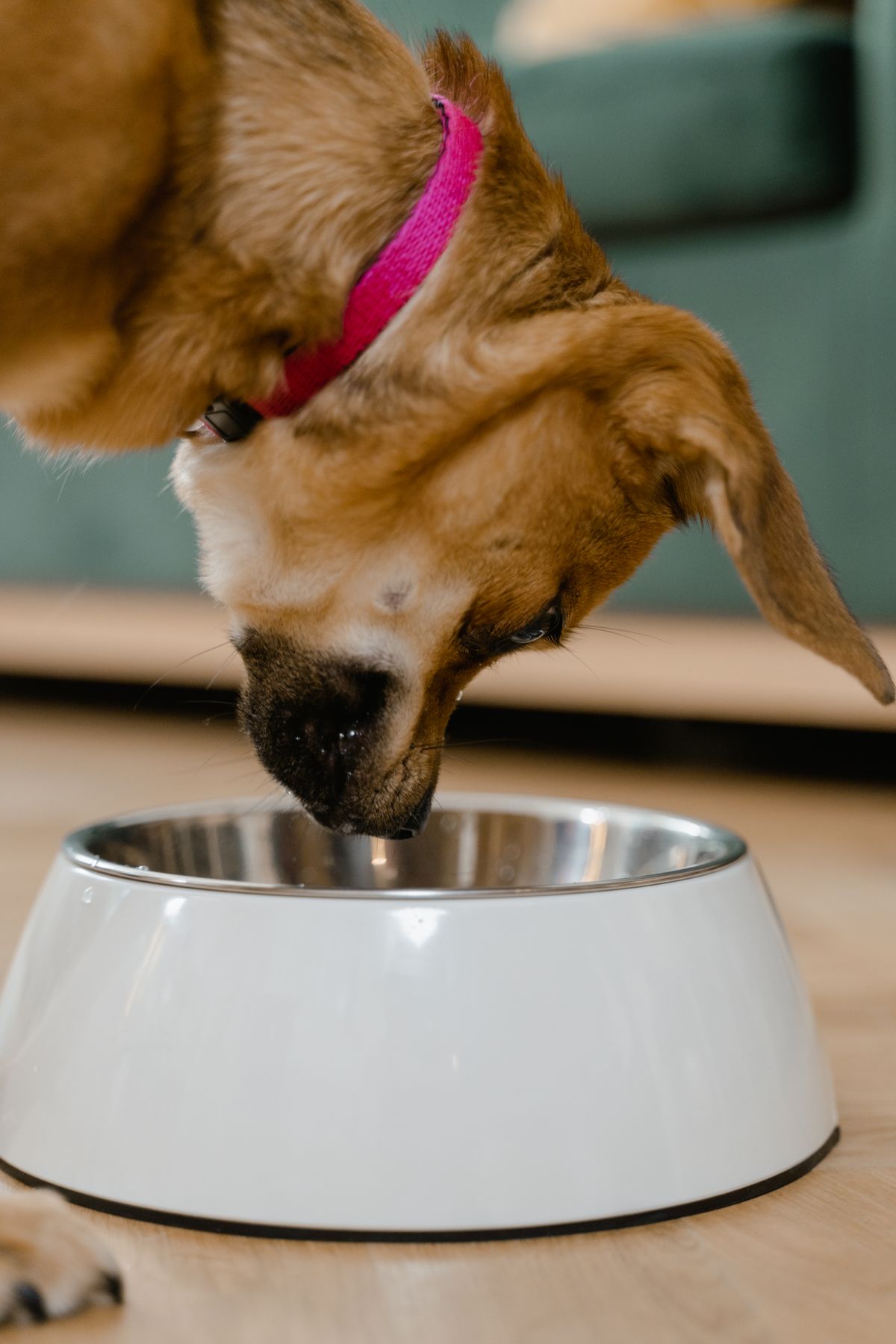
I remember the day I decided to switch my cat Leo to homemade food. He was turning up his nose at kibble, and I was worried about the long list of unpronounceable ingredients. But I also knew that a sudden change could upset his stomach. So I did my research—and now I’m sharing everything I learned to help you transition your cat safely and smoothly.
Why Consider Homemade Cat Food?
More pet owners are turning to homemade diets to control ingredients, avoid fillers, and provide fresh, nutrient-rich meals. Cats are obligate carnivores—they need high protein, moderate fat, and minimal carbs. Homemade food lets you tailor meals to your cat’s needs, but it must be nutritionally complete. A poorly balanced diet can lead to deficiencies. That’s why a gradual transition is crucial.
Step 1: Consult Your Veterinarian
Before you start, talk to your vet, especially if your cat has health issues. They can help you choose a balanced recipe or refer you to a veterinary nutritionist. I recommend using a recipe from a board-certified nutritionist or a tool like our recipe generator to ensure proper nutrients.
Step 2: Choose a Balanced Recipe
A good homemade cat food recipe includes:
- Protein source: Chicken, turkey, beef, or fish (cooked or raw, but raw requires extra caution)
- Animal-based fats: Chicken fat, fish oil for omega-3s
- Essential supplements: Taurine (critical for cats), vitamin E, B vitamins, and a balanced mineral mix
- Optional organ meats: Liver or kidney for nutrients, but no more than 5% of the diet
I use a recipe that includes ground chicken, chicken liver, and a commercial supplement mix. Never skip the taurine—cats can't produce it, and deficiency leads to heart disease.
Step 3: The Gradual Transition Plan
Switching cold turkey (pun intended) can cause vomiting or diarrhea. Follow this 7-10 day schedule:
| Day | Homemade Food | Old Food |
|---|---|---|
| 1-2 | 25% | 75% |
| 3-4 | 50% | 50% |
| 5-6 | 75% | 25% |
| 7+ | 100% | 0% |
If your cat refuses the mix, try warming the food slightly or adding a tiny bit of tuna juice. Patience is key—some cats take two weeks. Leo was a slow adopter, but by day 10, he was gobbling it up.
Step 4: Monitor Your Cat’s Health
Watch for signs of digestive upset: soft stool, vomiting, or loss of appetite. If any occur, slow down the transition. Also, weigh your cat weekly—weight loss or gain can indicate imbalance. After two weeks on homemade, I noticed Leo’s coat became shinier and his energy levels improved.
Common Mistakes to Avoid
- Not adding taurine: Even if you feed raw meat, it lacks enough taurine. Supplement!
- Using too many carbs: Cats don’t need grains or veggies. Keep carbs under 10%.
- Feeding only one protein source: Rotate proteins (chicken, turkey, fish) to avoid allergies and nutrient gaps.
- Forgetting water: Homemade food has moisture, but always provide fresh water.
Sample Meal Plan
Here’s what a day looks like for my 10-pound cat:
- Morning: 1.5 oz ground chicken (cooked) + 1/4 tsp taurine + fish oil capsule
- Evening: 1.5 oz ground turkey + 1 tbsp liver (cooked) + vitamin E capsule
Adjust portions based on your cat’s weight and activity. Use a recipe generator to get customized amounts.
Conclusion
Transitioning your cat to homemade food is a rewarding journey that can improve their health and happiness. Take it slow, follow a balanced recipe, and always consult your vet. Once you see that glossy coat and hear that contented purr, you’ll know it was worth it. Ready to start? Try our recipe generator to create a personalized meal plan for your cat. And for more tips, subscribe to our newsletter for weekly nutrition advice.