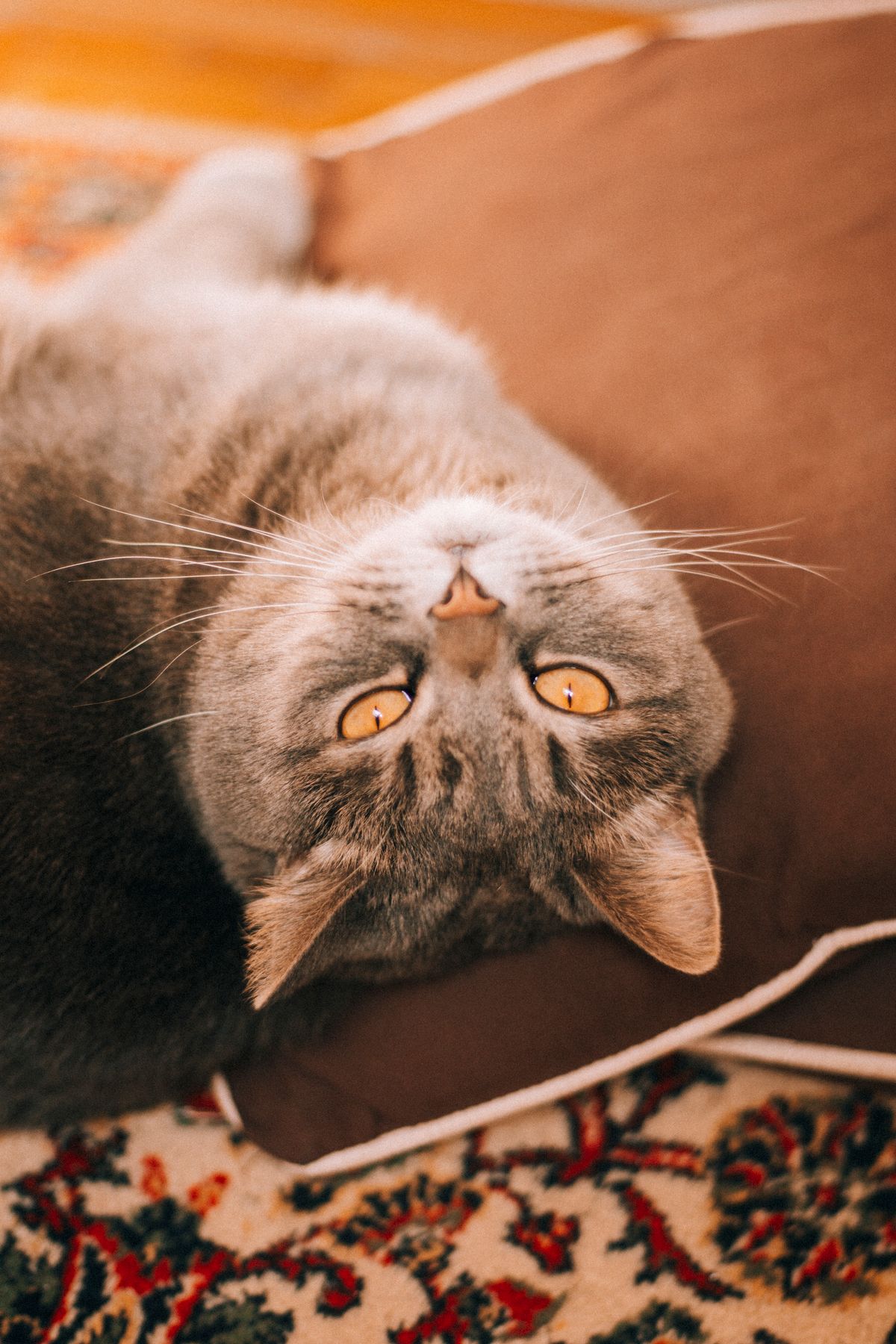
When my cat, Luna, started leaving half-eaten kibble in her bowl and throwing up hairballs with alarming frequency, I knew something had to change. After countless vet visits and trial-and-error with expensive prescription diets, I discovered that homemade cat food was the game-changer. If your feline friend has a sensitive stomach, you're not alone—up to 42% of cats experience digestive issues at some point. Here's what I learned about crafting meals that soothe, not stir up trouble.
Why Homemade Food Works for Sensitive Stomachs
Commercial cat foods often contain fillers, artificial additives, and low-quality proteins that can trigger inflammation in a delicate digestive tract. Homemade meals let you control exactly what goes in—no mystery ingredients. Plus, fresh food retains natural enzymes that aid digestion, something that's often lost in processing.
The Science Behind It
Cats are obligate carnivores, meaning their bodies are designed to digest animal protein efficiently. When they eat grains, starches, or plant-based proteins, it can stress their system. A diet rich in high-quality animal protein and low in carbohydrates supports gut health and reduces inflammation.
5 Vet-Approved Recipes for Sensitive Stomachs
Before diving in, always consult your veterinarian before switching your cat to homemade food, especially if they have medical conditions. These recipes are balanced for adult cats and should be rotated for variety.
1. Simple Chicken & Pumpkin Puree
This is the recipe that started it all for Luna. Chicken is a lean, easy-to-digest protein, and pumpkin is a natural source of soluble fiber that helps regulate digestion.
- 1 lb boneless, skinless chicken breast (cooked and shredded)
- 1/2 cup pure pumpkin puree (not pie filling)
- 1/4 cup chicken broth (low sodium, no onion or garlic)
- 1/4 tsp taurine powder (essential for cats)
Combine all ingredients in a food processor until smooth. Serve at room temperature. Pro tip: Freeze leftovers in ice cube trays for easy portioning.
2. Turkey & Sweet Potato Stew
Turkey is another hypoallergenic protein, and sweet potato provides gentle carbohydrates that are easier on the stomach than grains.
- 1 lb ground turkey (cooked, drained)
- 1/2 cup cooked sweet potato (mashed)
- 1/4 cup cooked carrots (pureed)
- 1 tbsp fish oil (for omega-3s, reduces inflammation)
- 1/4 tsp taurine
Mix all ingredients and warm slightly. This stew is great for cats who need extra hydration.
3. Salmon & Spinach Blend
Salmon is rich in omega-3 fatty acids that soothe the gut lining, but use it as an occasional meal (not daily) due to potential heavy metal concerns.
- 1 can wild salmon (packed in water, drained, bones removed)
- 1/2 cup cooked spinach (chopped finely)
- 1/4 cup cooked quinoa (optional, for fiber)
- 1/4 tsp taurine
- 1 tsp coconut oil (antibacterial properties)
Blend until smooth. Serve as a treat or mix with a base protein.
4. Rabbit & Carrot Medley
Rabbit is a novel protein—perfect for cats with allergies to chicken or beef. It's lean and easily digestible.
- 1 lb rabbit meat (cooked, shredded)
- 1/2 cup cooked carrots (pureed)
- 1/4 cup bone broth (rich in collagen, soothes gut)
- 1/4 tsp taurine
- 1/4 tsp psyllium husk (for added fiber, start small)
Combine and serve. Rabbit can be found at specialty pet stores or online.
5. Egg & Cottage Cheese Scramble
Eggs are a complete protein, and cottage cheese provides probiotics. This is a quick, no-cook option for days when you're short on time.
- 2 hard-boiled eggs (mashed, including shell for calcium)
- 2 tbsp cottage cheese (low fat, plain)
- 1 tbsp plain yogurt (with live cultures)
- 1/4 tsp taurine
Mix and serve immediately. This is more of a topper than a complete meal—pair with a protein source.
Transitioning Your Cat to Homemade Food
Switching abruptly can cause digestive upset. Follow this schedule:
- Days 1-3: 75% old food + 25% new food
- Days 4-6: 50/50 mix
- Days 7-9: 25% old + 75% new
- Day 10+: 100% new food
Monitor your cat's stool, energy, and coat condition. Loose stool? Slow down the transition. Constipation? Add more pumpkin or psyllium.
Essential Supplements for Homemade Cat Food
Homemade diets must be nutritionally complete. Always add these supplements:
- Taurine: Essential for heart and eye health (250-500 mg per day for an adult cat)
- Fish oil: For omega-3s (start with 1/2 tsp per day)
- Vitamin B complex: Supports metabolism and digestion
- Calcium: If not using bone meal or eggshell powder
A good rule of thumb: 90% animal protein, 5% vegetables, 5% supplements by volume.
Common Mistakes to Avoid
- Using raw eggs: Risk of salmonella—always cook eggs.
- Adding onion or garlic: Toxic to cats, even in small amounts.
- Skipping taurine: Can lead to blindness and heart disease.
- Feeding only fish: Can cause thiamine deficiency and mercury buildup.
I learned these the hard way. Luna once turned her nose up at a batch I made without pumpkin—she knew something was off!
Conclusion: Your Cat Will Thank You
Making homemade cat food for a sensitive stomach doesn't have to be complicated. Start with the simple chicken and pumpkin recipe, and watch your cat's digestion improve. Within two weeks, Luna's vomiting stopped, her coat became silkier, and she actually purred during meals. Your cat deserves food that loves them back.
Ready to create your own balanced recipes? Try our Homemade Pet Food Recipe Generator to customize meals based on your cat's needs. And if you want more tips, check out our guide to natural pet nutrition.