Executive Summary
The pet food industry has shifted dramatically over the last decade, fueled by the "humanization" of our four-legged companions. Today’s "pet parents" aren't just looking for a simple snack; they demand the same level of nutritional transparency, functional benefits, and shelf stability they expect from their own food. This report dives into the technical and practical art of designing dog cookies that stay nutritionally potent and chemically stable for a full 12-month shelf life.
We will navigate the regulatory landscape of AAFCO guidelines, the biochemistry of ingredient selection, the physics of water activity, and the engineering of thermal processing. We also tackle the modern challenge of keeping heat-sensitive bioactives—like probiotics and botanicals—alive and well. For the developer, this document is a roadmap for scaling up from a kitchen concept to a commercially viable, high-performance pet treat.
1. Introduction: The New Era of Dog Treats
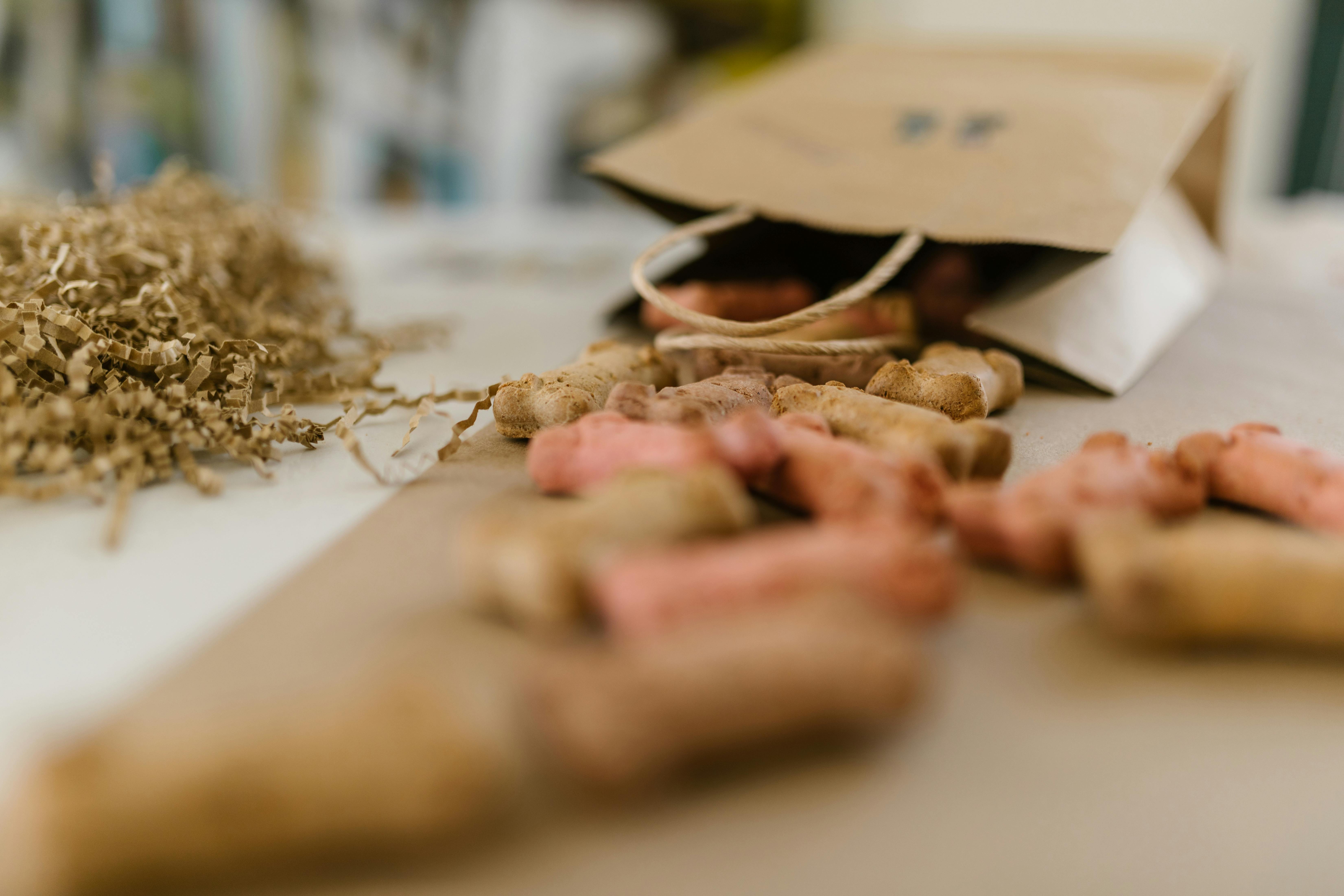
The humble dog biscuit has come a long way. What used to be a hard-baked mix of wheat flour and meat scraps is now a sophisticated delivery system for health and wellness. Modern treats are expected to do heavy lifting: supporting joints, soothing digestion, or brightening a dog's coat—all while avoiding synthetic preservatives and common allergens.
Creating these products is a balancing act that requires a mix of disciplines:
*
Nutritional Physiology: Knowing exactly what fuels a dog and what might harm them.
*
Food Chemistry: Managing complex reactions like lipid oxidation and the Maillard reaction.
*
Process Engineering: Dialing in baking and drying cycles to ensure the cookie doesn't crumble or lose its nutrients.
*
Microbiology: Mastering water activity to stop spoilage in its tracks without relying on harsh chemicals.
This report breaks down these domains, offering the scientific "why" behind every formulation and processing choice.
2. The Rulebook: Regulations and Nutrition
2.1 AAFCO and the "10% Rule"
In the United States, the Association of American Feed Control Officials (AAFCO) sets the standard, a framework mirrored by bodies like FEDIAF in Europe. Because dog treats are "supplemental," they don't have to meet the rigorous "complete and balanced" profiles required for daily kibble.
However, this flexibility comes with a golden rule:
The 10% Rule. Treats should never make up more than 10% of a dog’s daily calories. If they do, you risk "diluting" the essential nutrients the dog gets from its main diet. As a developer, your job is to calculate caloric density with precision, providing feeding guidelines that help prevent the obesity epidemic currently facing domestic pets.
2.2 The "No-Go" List: Toxicological Safety
Safety is non-negotiable. Many staples of human baking are dangerous, or even deadly, for dogs:
*
Chocolate (Theobromine): Dogs process this much slower than we do, leading to heart and nervous system distress.
*
Xylitol: This sugar substitute causes a catastrophic insulin spike and liver failure.
*
Onions and Garlic (Thiosulfate): These can trigger oxidative damage to red blood cells.
*
Grapes and Raisins (Tartaric Acid): Even a small amount can lead to acute kidney failure.
2.3 Balancing the Macros
Even though they are just snacks, the macronutrient profile matters for both health and "craveability."
*
Protein: Look for high-quality animal sources or sustainable alternatives like cricket or yeast.
*
Fats: These are vital for flavor and skin health, but keep them between 8% and 12%. Too much fat can lead to structural issues in the cookie or, worse, pancreatitis in sensitive breeds.
*
Fiber: Ingredients like pumpkin or beet pulp help with digestion and keep the dog feeling full.
3. Building the Cookie: Ingredients and Structure
Think of a cookie as a piece of edible architecture. Its success depends on how the structural matrix (flour) interacts with plasticizers (water and fats) and binders.
3.1 The Grain-Free Shift
Wheat flour was once the standard for its gluten-driven structure, but the rise in food sensitivities has changed the game:
*
Oat Flour: A great middle ground. It’s technically a grain but is usually well-tolerated, offering a dense texture and heart-healthy beta-glucans.
*
Chickpea Flour: A grain-free powerhouse. With 20% protein and a low glycemic index, its starches provide an excellent bind once heated.
*
Green Pea Flour: Adds a unique hue and essential lysine, though it requires careful balancing to avoid a "beany" aftertaste.
3.2 Novel Proteins
To stand out, many brands are looking beyond chicken and beef:
*
Cricket Powder: The ultimate sustainable protein. It’s hypoallergenic, packed with amino acids, and adds a savory "umami" flavor that dogs find irresistible.
*
Hydrolyzed Proteins: These are broken down into tiny peptides that the immune system doesn't recognize as threats, making them perfect for hypoallergenic claims.
3.3 The Glue: Natural Binders
Without gluten, you need a way to keep the cookie from turning into dust.
*
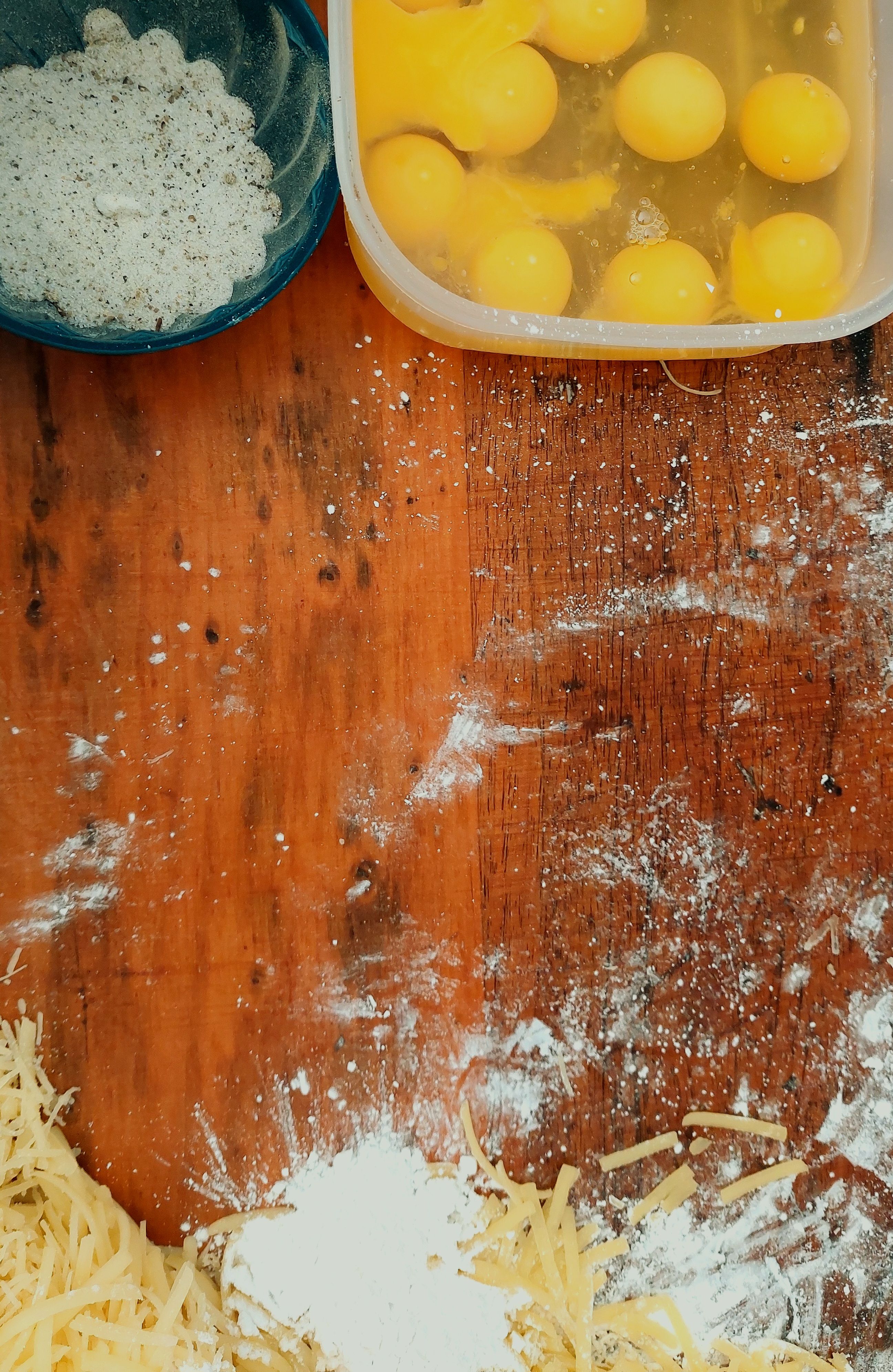
Whole Eggs: The gold standard. Egg proteins coagulate during baking to create a strong, flexible network.
*
Flaxseed Meal: When mixed with water, flax creates a "mucilage" that acts as a powerful natural thickener while boosting Omega-3 levels.
*
Gelatin: Derived from collagen, it gives the cookie a satisfying "snap" and supports joint health.
4. The Secret to Shelf Life: Water Activity (aw)
The biggest enemy of a long shelf life is mold. To get a cookie to stay fresh for 12 months without synthetic preservatives, you have to master
Water Activity (aw).
4.1 Understanding aw
Moisture content tells you how much water is in the cookie. Water activity tells you how much of that water is "free" for bacteria and mold to grow in. A cookie can feel dry but still be unstable if the water isn't chemically "locked down."
*
Bacteria need an aw above 0.90.
*
Yeasts need an aw above 0.80.
*
Molds can survive down to 0.70.
*
The Target: For a safe, 12-month shelf life at room temperature, your cookie needs a
water activity below 0.60.
4.2 Humectants: The Anchors
Humectants are ingredients that grab onto water molecules so microbes can't use them.
*
Vegetable Glycerin: Highly effective at low levels (2–5%). it keeps the cookie chewy while lowering the aw.
*
Honey and Molasses: These provide natural sweetness and humectancy, but use them sparingly to keep sugar levels in check.
*
Chicory Root (Inulin): A prebiotic fiber that doubles as a mild humectant.
4.3 The Two-Phase Bake
Getting to an aw of 0.60 requires a strategic approach to heat:
1.
Phase 1: High-Heat Bake (150°C–170°C): This sets the structure, kills pathogens like Salmonella, and kicks off the Maillard reaction for flavor.
2.
Phase 2: Low-Heat Dehydration (70°C–90°C): A long, slow drying phase (1–3 hours) that pulls out residual moisture without "case hardening" (where the outside gets hard but the inside stays damp and prone to mold).
5. Fighting Fat Rancidity Naturally
While mold is a biological threat,
Lipid Oxidation is a chemical one. Oxidation turns fats into foul-smelling compounds—a major hurdle for treats high in animal fats.
5.1 The Chain Reaction
Oxidation is a self-repeating cycle: heat or light creates a free radical, which then attacks fat molecules in a chain reaction. To stop it, you need antioxidants to step in and neutralize those radicals.
5.2 Clean-Label Solutions
Since consumers today avoid BHA and BHT, we use nature’s own toolkit:
*
Mixed Tocopherols (Vitamin E): A blend of different tocopherols. While alpha-tocopherol is good for the dog's health,
gamma and delta versions are best for protecting the food itself.
*
Rosemary Extract: Contains carnosic acid, a potent radical scavenger. When paired with tocopherols, it creates a
synergistic effect that works better than either one alone.
*
Chelating Agents: Citric acid or Vitamin C can "tie up" trace metals that would otherwise speed up the oxidation process.
6. Mastering the Oven
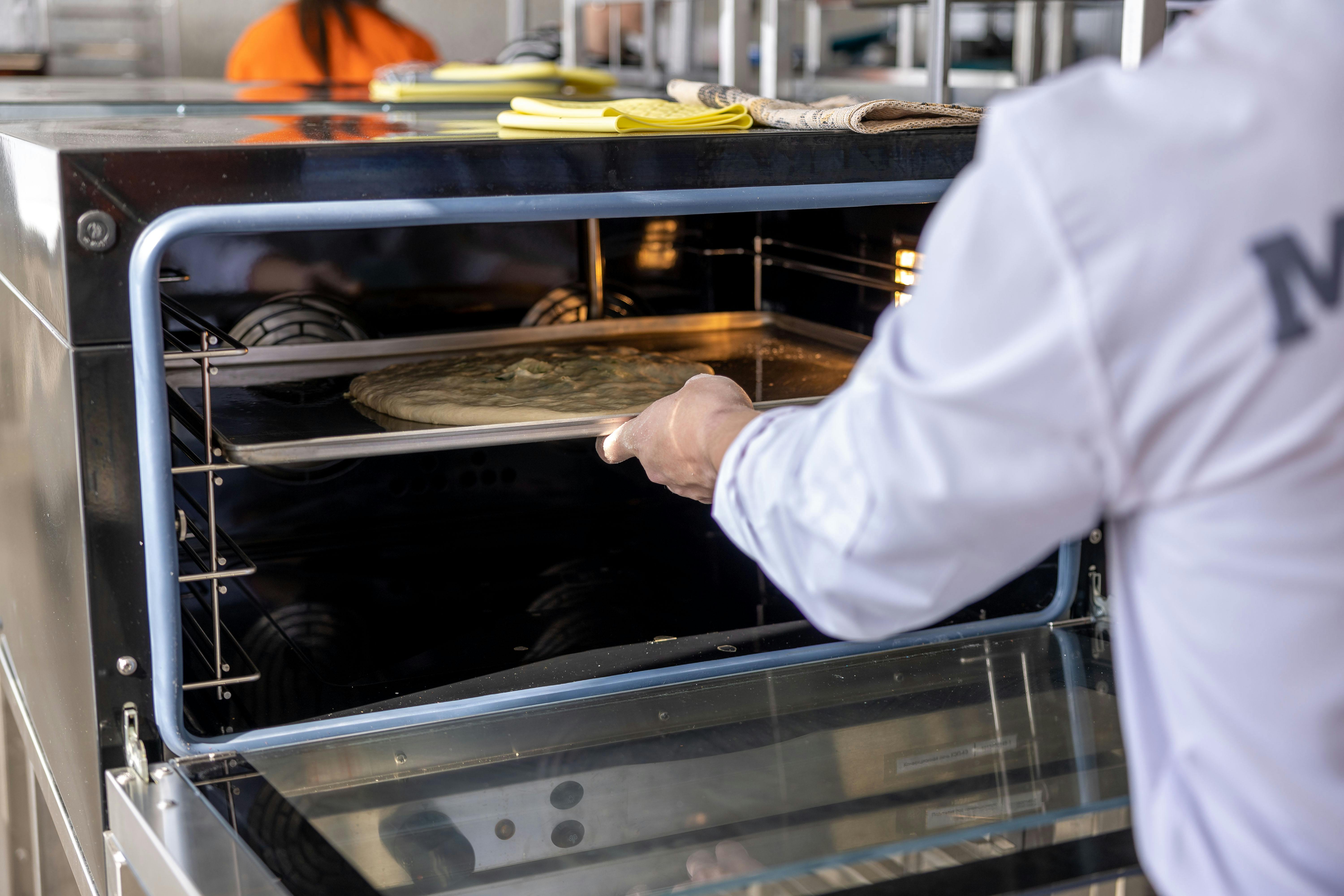
Baking is where the magic happens—turning dough into a durable, delicious cookie through starch gelatinization.
6.1 Starch Gelatinization
For a cookie to hold its shape, the starches must "gel." This happens between 65°C and 75°C when starch granules swell and burst, creating a natural glue. If the oven is too dry, the surface will crack before the core gels. Using a bit of steam in the first few minutes of baking ensures a uniform, strong structure.
6.2 Saving the Vitamins
Heat is hard on nutrients. Vitamin B1 (Thiamine) and Vitamin A are particularly fragile. To ensure the final product meets its nutritional goals, we use
over-fortification—adding a bit extra to the dough to account for what will be lost in the oven. Using a "Low-Temperature Long-Time" (LTLT) approach also helps preserve these delicate compounds.
7. The Power of Functional Bioactives
A "functional" treat needs to actually work. However, many health-boosting ingredients don't like the heat of an oven.
7.1 Probiotics: The Spore Strategy
Most probiotics die at 45°C. Since you can't bake a cookie at that temperature, we use
Bacillus coagulans. This is a spore-forming bacterium that stays dormant in a hard shell during baking, only "waking up" once it reaches the dog's gut.
7.2 Prebiotics and Botanicals
*
Prebiotics (Inulin/MOS): These are heat-stable and can go straight into the dough to feed the good bacteria in the gut.
*
Turmeric (Curcumin): Great for joints, but hard for dogs to absorb. You must pair it with
fats and a pinch of
black pepper (piperine) to boost its effectiveness.
8. Proving Stability: Accelerated Testing
How do you guarantee a 12-month shelf life without waiting a year? You use
Accelerated Shelf-Life Testing (ASLT). By storing samples at higher temperatures (like 40°C), we can simulate months of aging in just a few weeks. If a cookie stays fresh and tasty for 120 days at 40°C, it will likely be perfect for over a year on a standard store shelf.
9. The Final Shield: Packaging
Even the best recipe will fail in a cheap bag. For premium treats, the packaging is a functional barrier.

9.1 The Tri-Laminate Bag
A high-quality pouch usually has three layers:
1.
Outer (PET): For strength and branding.
2.
Middle (Metalized Foil): The barrier that blocks oxygen, moisture, and light.
3.
Inner (LLDPE): Creates an airtight seal and prevents the cookie's edges from puncturing the bag.
9.2 Nitrogen Flushing
Oxygen is the enemy of fat. By flushing the bag with Nitrogen before sealing, we push out the oxygen. Lowering oxygen to less than 1% can triple the shelf life of a high-fat cookie.
10. Looking Ahead
Designing a great dog cookie is a blend of biology, chemistry, and engineering. As we move forward, the industry is eyeing
Personalized Nutrition—using AI to tailor recipes to a dog’s specific age or breed—and
Upcycled Ingredients, like using "ugly" fruits to reduce waste.
The gap between human snacks and pet treats is closing fast. The developers who master these scientific principles today will be the ones leading the premium pet market tomorrow.
11. Appendix: Sample Stability-First Formulation
Ingredient | Inclusion % | Purpose |
: : :
Chickpea Flour | 45% | Structure & Protein |
Cricket Powder | 10% | Sustainable Protein |
Pumpkin Puree | 15% | Fiber & Vitamin A |
Whole Dried Egg | 5% | Binding |
Coconut Oil | 8% | Stable Fats |
Vegetable Glycerin | 3% | Lowers Water Activity |
Mixed Tocopherols | 0.5% | Natural Preservative |
Bacillus coagulans | 0.5% | Probiotic |
Water | 13% | Processing Aid |
Process: Bake at 150°C for 15 minutes, then convection dry at 80°C for 90 minutes. Target aw: 0.55.