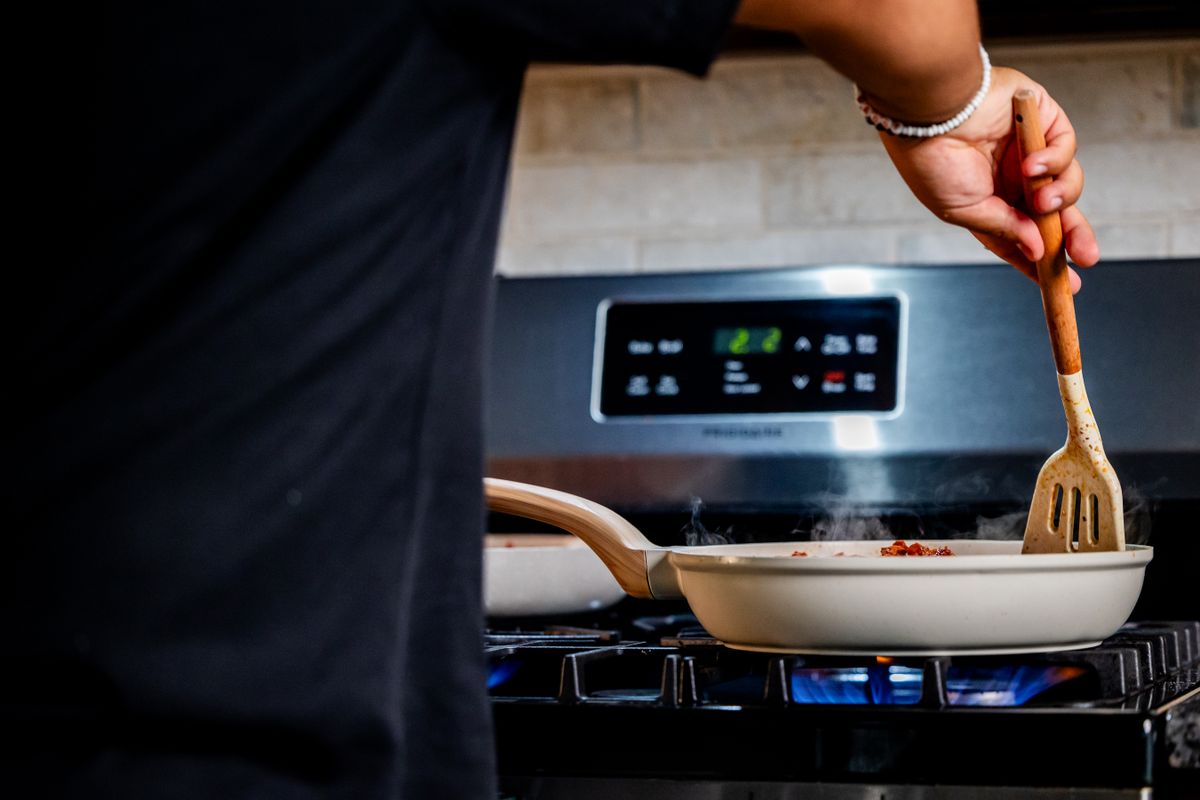
I remember the first time I started making homemade food for my dog, Max. I spent hours researching recipes, buying fresh ingredients, and cooking a big batch of chicken, sweet potatoes, and green beans. I put it all in a big container in the fridge and thought I was all set for the week. Three days later, the smell hit me when I opened the fridge — something had gone very wrong. The food had spoiled faster than I expected, and I had to throw the entire batch away. That was my wake-up call: storing homemade pet food safely is just as important as making it right.
If you're making homemade food for your dog or cat, you're already doing something amazing for their health. But improper storage can turn nutritious meals into a breeding ground for bacteria like Salmonella and Listeria. Let me share everything I've learned about keeping homemade pet food fresh, safe, and nutritious.
Why Proper Storage Matters More Than You Think
Homemade pet food lacks the preservatives found in commercial kibble or canned food. That's actually one of the reasons we choose to make it — no artificial anything. But it also means your fresh food has a much shorter window of safety.
According to the FDA, homemade pet food should be treated with the same caution as human food — sometimes even more, because pets can be more susceptible to foodborne illness. A 2022 study published in the Journal of the American Veterinary Medical Association found that improperly stored raw or cooked homemade pet food was a leading cause of bacterial contamination in household pets.
The good news? With a few simple habits, you can keep every batch safe.
Refrigeration: Your First Line of Defense
Most homemade cooked pet food lasts 3 to 5 days in the refrigerator at or below 40°F (4°C). Raw homemade diets are even more perishable — they should be used within 1 to 2 days of refrigeration.
Here's my go-to refrigeration routine:
- Cool food quickly. Don't let cooked food sit at room temperature for more than 30 minutes after cooking. Bacteria multiply rapidly between 40°F and 140°F — the "danger zone."
- Use airtight containers. Glass or BPA-free plastic containers with tight-fitting lids prevent cross-contamination and keep odors contained.
- Label everything. Write the date and contents on each container. I use masking tape and a marker — simple but effective.
- Store in the back of the fridge. The temperature is most consistent there, unlike the door or front shelves where it fluctuates every time you open it.
- Portion before storing. Divide meals into single servings so you're not repeatedly opening and closing a large container.
Pro tip: If your pet food contains raw meat, keep it on the bottom shelf to prevent drips from contaminating other food — the same rule that applies to your own groceries.
Freezing: The Long-Term Solution
Freezing is the best way to store homemade pet food if you like to batch-cook. Properly frozen meals can last 2 to 6 months without significant nutrient loss.
Here's how I freeze Max's food:
- Let the cooked food cool completely.
- Portion into meal-sized amounts — I use silicone ice cube trays for smaller dogs and muffin tins for larger portions.
- Freeze solid, then transfer the portions into labeled freezer bags or containers.
- Remove as much air as possible to prevent freezer burn, which degrades nutrients and texture.
When it's mealtime, I thaw a portion in the fridge overnight — never at room temperature. Never refreeze thawed food. And if anything looks or smells off, toss it. No exceptions.
Raw vs. Cooked: A Storage Comparison
The type of homemade food you make changes the storage rules. Here's a quick reference:
| Storage Method | Cooked Homemade Food | Raw Homemade Food |
|---|---|---|
| Refrigerator (≤40°F) | 3–5 days | 1–2 days |
| Freezer (0°F) | 2–6 months | 3–6 months |
| Room temperature | Max 30 minutes | Never |
| Thawing method | Refrigerator overnight | Refrigerator overnight |
Key takeaway: Raw food requires extra caution. If your pet is immunocompromised, elderly, or very young, consult your vet before switching to a raw diet.
Signs Your Pet Food Has Gone Bad
Even with the best storage practices, it's important to check before serving. Trust your senses:
- Smell: Sour, rancid, or unusually strong odors are a red flag.
- Color: Grayish, greenish, or darkened patches indicate spoilage.
- Texture: Slimy or sticky surfaces mean bacterial growth.
- Mold: Any visible mold — even a small spot — means the entire portion should be discarded.
When in doubt, throw it out. The cost of replacing a batch is nothing compared to a vet visit for food poisoning.
Quick Safety Checklist for Every Batch
Before you store, run through this list:
- ☐ Food cooled to room temperature within 30 minutes
- ☐ Stored in airtight, clean containers
- ☐ Labeled with date and contents
- ☐ Placed in the correct fridge or freezer zone
- ☐ Portioned into single servings
- ☐ Thawing plan in place (fridge only)
Stick this on your fridge — it takes 10 seconds and can save you from a nasty surprise.
Final Thoughts: Safe Storage = Happy Pets
Making homemade pet food is one of the most rewarding things you can do for your dog or cat. But the love you put into cooking means nothing if the food isn't stored properly. A few simple habits — cooling quickly, using airtight containers, freezing in portions, and always checking before serving — will keep every meal safe and nutritious.
Your pet's health starts with what's in their bowl, and that includes how it got there.
Ready to make homemade meals easier? Try our recipe generator to create balanced, vet-informed meals tailored to your pet's needs. And if you want more tips on natural pet nutrition, check out our blog or subscribe to our newsletter for weekly updates on keeping your furry family member healthy and happy.