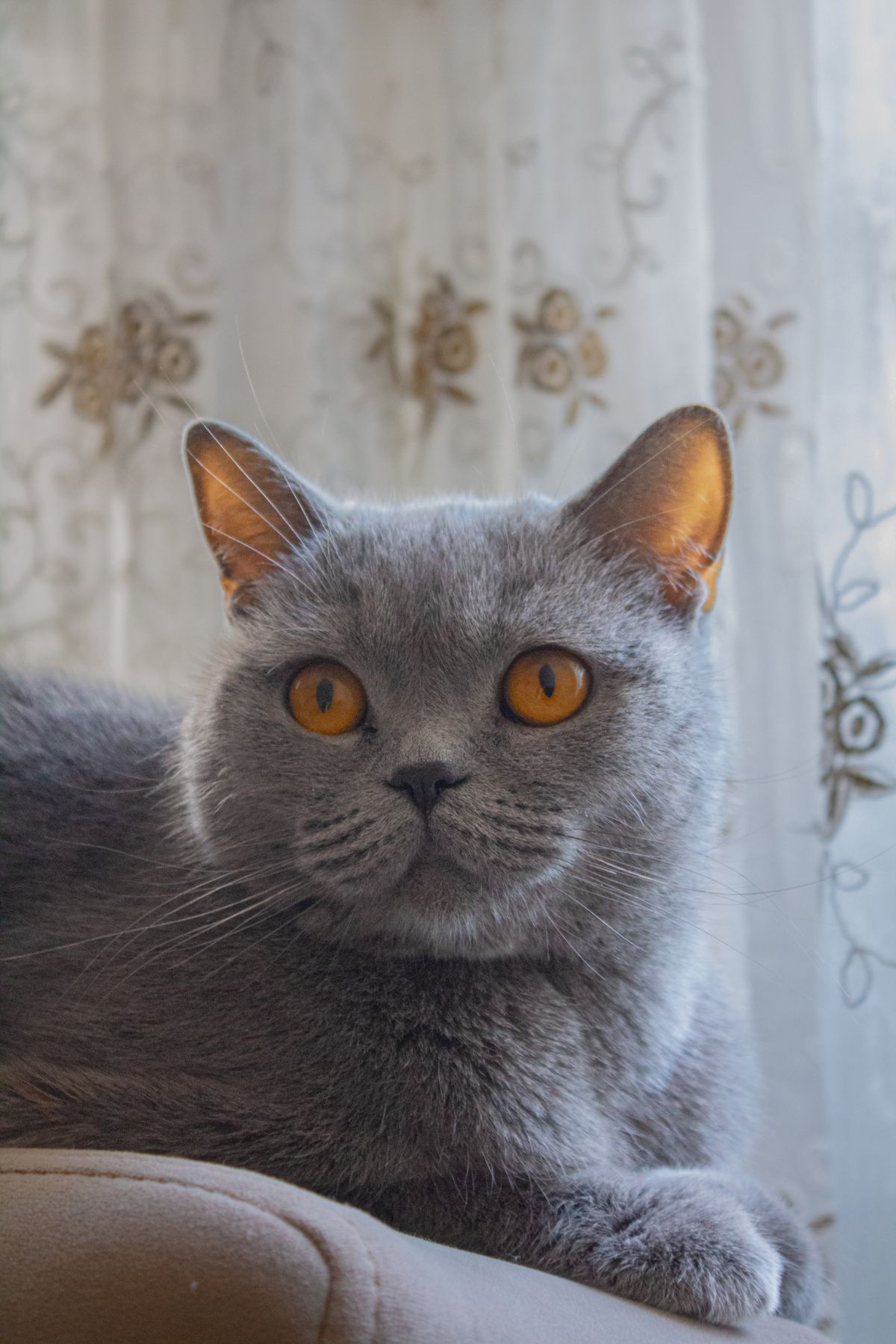
As a fellow cat lover and pet nutritionist, I get it—you care deeply about your furry friend’s well-being and the planet. Maybe you’ve gone plant-based yourself and wondered: Can my cat thrive on a vegan diet too? It’s a question I hear often, especially from eco-conscious pet parents who want to align their values with their pet’s diet.
But here’s the honest truth, straight from years of research and clinical experience: cats are obligate carnivores—and that changes everything.
What Makes Cats Different from Dogs?
Unlike dogs, who are omnivores and can adapt to a variety of diets (including carefully planned plant-based ones), cats have evolved to rely almost entirely on animal tissue. Their bodies simply aren’t built to extract all the nutrients they need from plants alone.
Think of it this way: in the wild, a cat’s natural diet consists of small prey—mice, birds, insects—rich in protein, fat, and specific nutrients only found in animal sources. Their digestive systems are short and highly acidic, optimized for breaking down meat, not fermenting fiber or processing grains.
- Shorter digestive tract – designed for quick meat digestion
- No salivary amylase – they don’t produce the enzyme needed to start breaking down starches in the mouth
- High protein requirement – cats need more dietary protein than dogs or even humans
So while your dog might do okay munching on sweet potatoes and lentils, your cat? Not so much.
The Nutrient Gaps in Vegan Cat Diets
Even the most thoughtfully crafted vegan cat food struggles to meet feline nutritional needs. Here are the big ones:
Taurine
This amino acid is non-negotiable for cats. They can’t synthesize enough of it themselves, and deficiency leads to blindness, heart disease (dilated cardiomyopathy), and immune dysfunction. While synthetic taurine is available and often added to vegan formulas, absorption and long-term efficacy aren’t fully proven.
Arachidonic Acid
A vital omega-6 fatty acid that cats can’t make from plant-based precursors like linoleic acid. It’s essential for skin health, kidney function, and inflammation regulation—and it’s only naturally found in animal fats.
Vitamin A (Retinol)
Cats can’t convert beta-carotene (from carrots or spinach) into active vitamin A like we can. They need preformed retinol, which comes only from liver, fish oils, and other animal sources.
Vitamin B12
Found almost exclusively in animal products, B12 is critical for nerve function and red blood cell production. Deficiency can cause severe neurological issues.
Even with supplementation, replicating the complex matrix of nutrients in real meat is incredibly difficult. And let’s be real—no supplement can mimic the bioavailability and synergy of whole food sources.
What Do Veterinarians and Researchers Say?
The consensus among veterinary nutritionists is clear: vegan diets are not recommended for cats. Organizations like the American College of Veterinary Nutrition (ACVN) and the European Society of Veterinary Comparative Nutrition (ESVCN) caution against plant-based diets for obligate carnivores due to the high risk of deficiency diseases.
That said, I understand the desire to reduce animal suffering or environmental impact. If you're committed to ethical eating, consider these alternatives:
- Choose humanely raised, sustainably sourced meat-based cat food
- Look for brands using by-products from ethical farms (many “waste” parts like liver and heart are actually nutrient powerhouses!)
- Support companies with transparent sourcing and carbon-neutral practices
- Make balanced homemade meals using vet-approved recipes that include high-quality animal proteins
Yes, you can make healthy homemade cat food—but it must include animal ingredients to be complete and safe.
So, What Should You Feed Your Cat?
If you're preparing homemade meals, work with a board-certified veterinary nutritionist to formulate a recipe that meets AAFCO standards. Never wing it—cats are too vulnerable to dietary imbalances.
For most pet parents, high-quality commercial cat food (wet or dry) that lists a named animal protein (like “chicken” or “salmon”) as the first ingredient is the safest, most convenient option. Look for formulas that are:
- Complete and balanced (check for AAFCO statement)
- Rich in animal-based protein (aim for 30–40%+ on dry matter basis)
- Low in carbohydrates (cats don’t need them!)
- Free from artificial fillers, colors, or excessive grains
And remember: your cat’s health isn’t a philosophy test—it’s a biological reality. What’s kindest isn’t always what feels most aligned with our values, but what truly supports their unique physiology.
Final Thoughts
While the idea of a vegan cat might sound compassionate, the science tells a different story. Cats need meat—not out of preference, but out of biological necessity. As pet parents who care deeply (hello, you’re reading a blog about cat nutrition!), our job is to honor that truth.
You can still make ethical, eco-friendly choices without compromising your cat’s health. Focus on quality, transparency, and balance—and when in doubt, consult a vet who specializes in nutrition.
Because at the end of the day, a happy, healthy cat purring on your lap is the best reward—for both of you.
P.S. Curious about safe homemade cat food recipes? Always start with a vet-approved template—never guess!